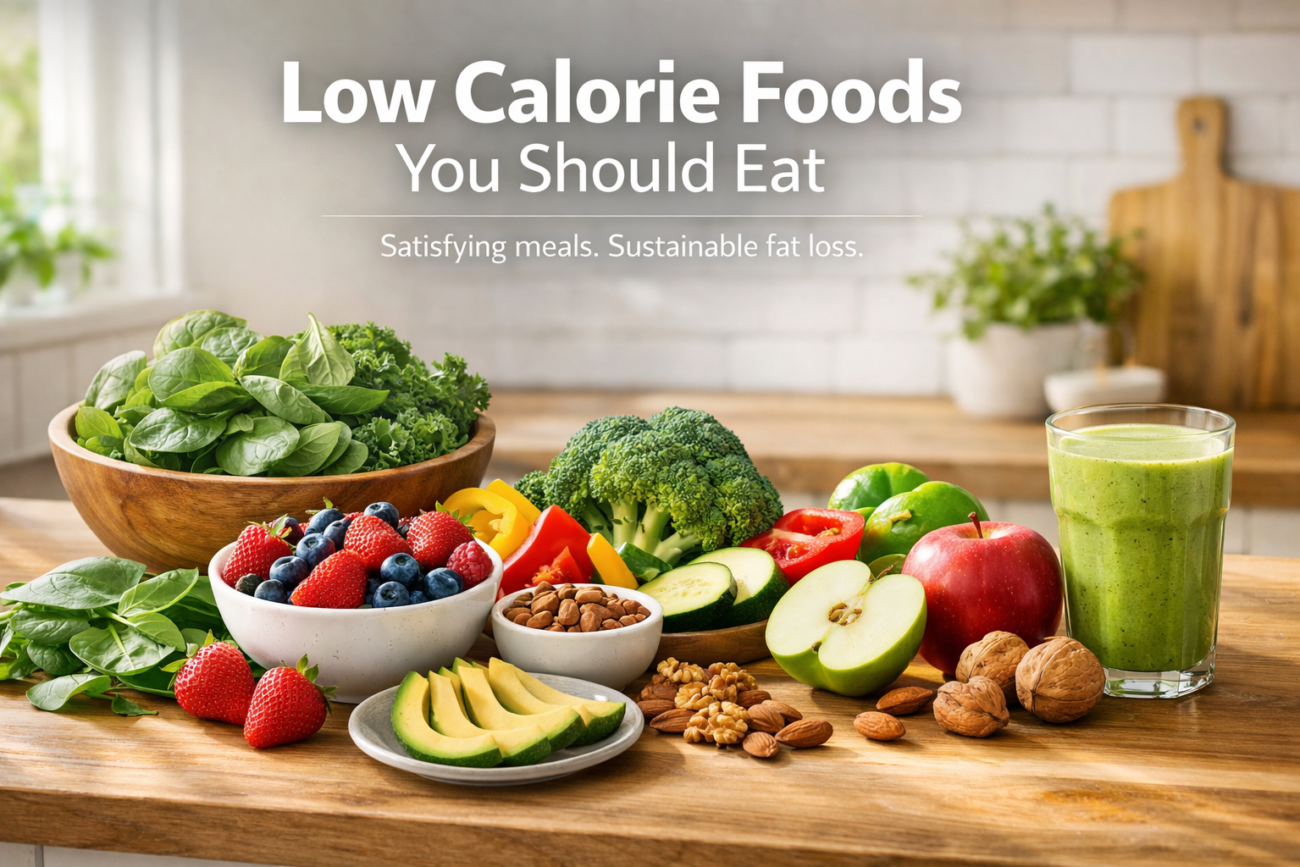
When it comes to weight loss, one of the simplest strategies is also one of the most effective: focusing on low-calorie, nutrient-dense foods. Eating fewer calories than you burn is the core principle of fat loss, but that doesn’t mean you need to starve yourself or rely on bland diet meals. By choosing the right low-calorie foods, you can feel full, stay energized, and lose fat naturally—all while enjoying your meals.
In this guide, we’ll explore the best low-calorie foods you should eat, why they work for fat loss, practical ways to include them in your diet, and even a natural support option like CitrusBurn that can complement your lifestyle approach.
Why Low-Calorie Foods Matter for Weight Loss
Low-calorie foods are usually high in water, fiber, and nutrients while being lower in sugar, refined carbs, and unhealthy fats. These foods help with:
Satiety – They fill your stomach and reduce cravings without adding excess calories.
Nutrient intake – They provide essential vitamins and minerals for metabolism, energy, and overall health.
Sustainable fat loss – You can eat satisfying portions without exceeding your calorie goals.
Metabolic support – Many low-calorie foods naturally boost digestion and metabolic health.
Unlike crash diets or extreme restrictions, focusing on these foods creates a healthy, sustainable calorie deficit that supports long-term fat loss.
How to Choose Low-Calorie Foods Wisely
Not all low-calorie foods are created equal. For fat loss and health, you want foods that:
Contain protein – Supports muscle maintenance and increases the thermic effect of food.
Contain fiber – Slows digestion, improves satiety, and supports gut health.
Provide healthy fats – Help regulate hormones and keep you full longer.
Are minimally processed – Avoid added sugar, refined carbs, and artificial ingredients.
By combining these elements, you can create meals and snacks that satisfy hunger while staying low in calories.
Top Low-Calorie Vegetables
Vegetables are the foundation of any low-calorie diet. They are packed with fiber and water, which increases volume without adding calories. Some top choices include:
Spinach and Kale – High in fiber and micronutrients, great for smoothies or salads.
Broccoli and Cauliflower – Rich in protein for a vegetable, very filling, and versatile.
Zucchini and Cucumber – Excellent for adding bulk to meals with minimal calories.
Bell Peppers – Sweet, crunchy, and full of vitamin C.
Asparagus – Supports digestion and hydration due to its high water content.
Including a variety of vegetables in every meal ensures volume, nutrients, and satiety.
Fruits That Are Low in Calories
While fruits contain natural sugars, many are low in calories and high in fiber, making them ideal for fat loss:
Berries (strawberries, blueberries, raspberries) – Antioxidant-rich and very low-calorie per cup.
Watermelon and Cantaloupe – Hydrating, sweet, and low in calories.
Apples and Pears – Contain fiber that slows digestion.
Grapefruit – May help regulate blood sugar and appetite.
Pairing fruits with protein or healthy fats can further reduce sugar spikes and support fullness.
Lean Proteins for Fat Loss
Protein is crucial in any weight loss plan because it supports muscle retention, increases calorie burn during digestion, and reduces appetite. Low-calorie, high-protein foods include:
Chicken breast or turkey – Lean and versatile.
Eggs – Nutrient-dense and filling.
Fish – Salmon, cod, or tuna offer protein with healthy fats.
Greek yogurt or cottage cheese – Low-fat options provide protein and probiotics.
Tofu and tempeh – Plant-based proteins that are also low in calories.
Including protein at each meal is a key metabolism booster and keeps hunger at bay.
Healthy Snacks Under 100 Calories
Snacking doesn’t need to sabotage fat loss. Smart low-calorie snack options include:
Carrot sticks with hummus
Celery with almond butter (small portion)
Hard-boiled eggs
Berries or apple slices
Air-popped popcorn
Low-fat Greek yogurt
The trick is volume over calorie density. You want to feel satisfied without exceeding your calorie goals.
Foods High in Fiber That Fill You Up
Fiber is your weight loss ally. It slows digestion, controls appetite, and supports gut health. High-fiber, low-calorie foods include:
Leafy greens
Cruciferous vegetables (broccoli, cauliflower, Brussels sprouts)
Berries
Lentils and beans (portion-controlled)
Chia seeds and flaxseeds
Adding fiber to smoothies, salads, and snacks increases satiety naturally.
Low-Calorie Drinks That Boost Metabolism
Hydration is a simple but often overlooked fat-loss strategy. Drinks that help include:
Water – Essential for digestion and metabolism.
Green tea – Contains catechins that may slightly boost fat burning.
Black coffee (without sugar) – Can increase calorie burn temporarily.
Herbal teas – Chamomile, mint, or ginger tea support digestion and reduce bloating.
Avoid sugary drinks, juices, and high-calorie coffee beverages.
Common Mistakes With Low-Calorie Foods
Even healthy foods can slow fat loss if used incorrectly:
Eating too many calories from “healthy” foods
Skipping protein
Over-relying on fruit for calories
Not pairing fiber with protein/fats
Ignoring portion control
Failing to plan meals in advance
The key is balanced, consistent, and mindful eating.
How to Incorporate These Foods Into Your Daily Routine
Start meals with vegetables – Fills your stomach and reduces overall intake.
Include protein in every meal – Helps regulate hunger and preserves muscle.
Use fruits as snacks or in smoothies – Keeps sugar moderate and adds fiber.
Drink water first – Reduces unnecessary snacking.
Plan snacks and meals – Keeps you on track and reduces impulsive choices.
Natural Support Option: CitrusBurn
While habits are always primary, some people choose natural supplements to complement a healthy routine. CitrusBurn is one such option, often discussed for its plant-based ingredients designed to support metabolism and energy.
Rather than a miracle solution, CitrusBurn can be used alongside a low-calorie diet, exercise, and hydration to support fat loss goals. Many users find it helpful as a lifestyle support tool, making consistency with nutrition and habits easier.
Note: Always consult a health professional before adding supplements to your routine.
Meal Planning Using Low-Calorie Foods
A simple day might look like this:
Breakfast: Spinach and berry smoothie with Greek yogurt
Snack: Carrot sticks with a small portion of hummus
Lunch: Grilled chicken salad with mixed greens and a lemon vinaigrette
Snack: Apple slices with a teaspoon of almond butter
Dinner: Baked salmon with steamed broccoli and cauliflower
Drink: Water, green tea, or herbal tea throughout the day
This is just one example—low-calorie foods allow flexibility and variety while keeping calories controlled.
Sustainable Fat Loss Habits
Eat slowly and mindfully
Track portions without obsessing
Incorporate vegetables into every meal
Include protein and fiber
Stay hydrated
Use low-calorie foods to add volume
Support metabolism naturally (sleep, movement, CitrusBurn if desired)
Plan meals ahead of time
When combined consistently, these habits make fat loss more effortless and sustainable.
Final Thoughts
Low-calorie foods are not about deprivation—they are about freedom and control. You can enjoy satisfying, flavorful meals while staying on track with fat loss goals. By choosing the right vegetables, fruits, proteins, fiber, and drinks, and supporting your lifestyle with hydration, activity, and optional natural support like CitrusBurn, fat loss becomes achievable without stress or extreme dieting.
Focus on volume, variety, balance, and consistency—and weight loss will follow naturally. 🌱
