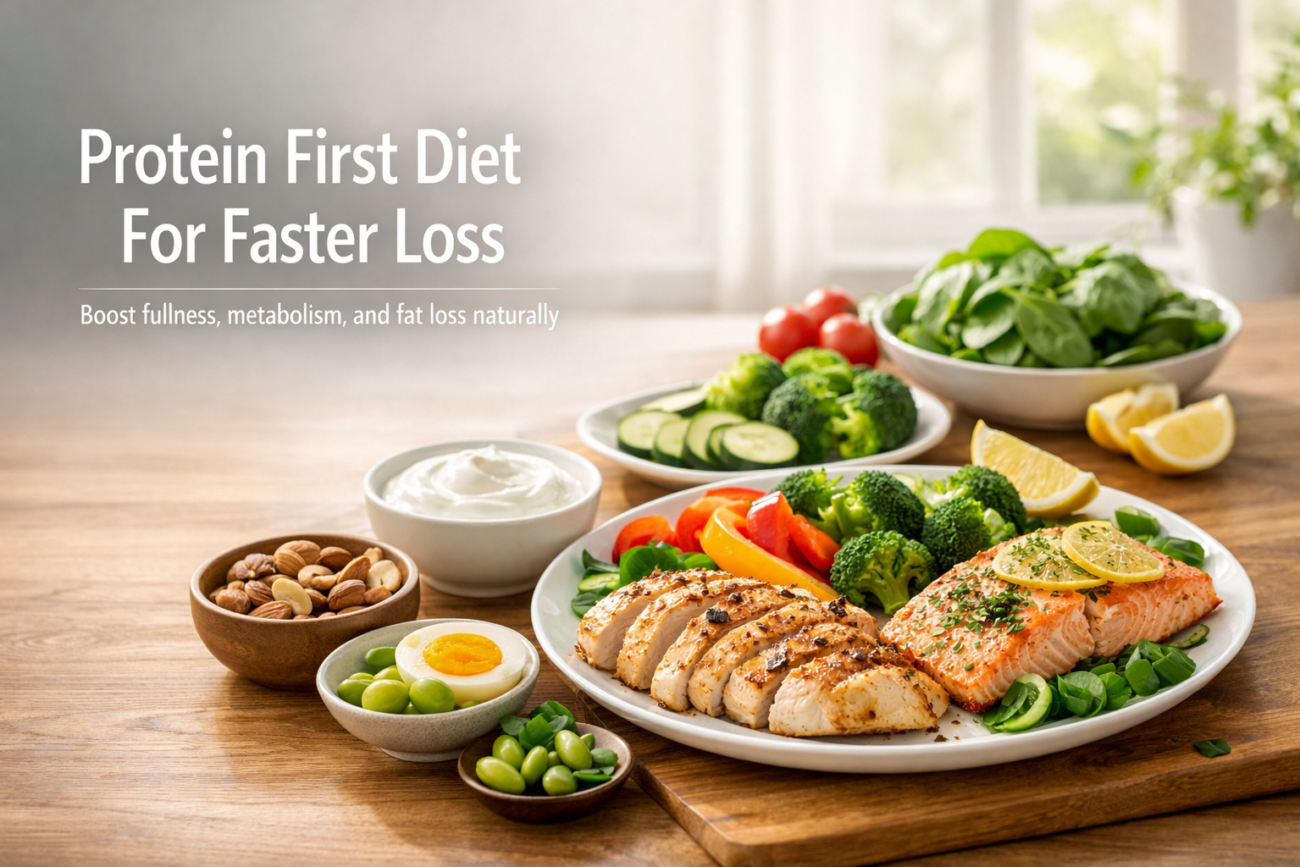
If you want to lose weight effectively, focusing on protein-first meals can be a game-changer. Unlike extreme dieting or quick-fix trends, a protein-first approach emphasizes satiety, metabolism support, and nutrient-dense meals. By eating protein first, you not only feel full longer but also encourage your body to burn fat efficiently while preserving muscle mass.
This guide will explain how the protein-first diet works, why it’s effective for fat loss, practical meal strategies, and lifestyle tips. We’ll also discuss a natural support option, CitrusBurn, that can complement your protein-focused routine in a sustainable way.
Why Protein Is Key For Fat Loss
Protein is an essential macronutrient that plays multiple roles in fat loss:
Satiety: Eating protein first reduces hunger and prevents overeating.
Muscle Preservation: High-protein meals help maintain lean muscle mass, which is critical because muscle burns more calories than fat.
Thermic Effect of Food: Protein requires more energy to digest than fats or carbs, slightly increasing calorie expenditure.
Metabolism Support: Adequate protein intake helps maintain metabolic rate during weight loss.
Eating protein first in your meals creates a nutritional environment that supports fat loss naturally.
Science Behind Protein-First Eating
Research shows that consuming protein at the start of a meal can reduce overall calorie intake. By filling the stomach and stimulating satiety hormones, protein helps prevent the mid-meal cravings that often lead to high-calorie snacks.
Additionally, protein-rich foods help regulate blood sugar levels. Unlike simple carbs or sugary foods, protein prevents rapid spikes and crashes in glucose, which can reduce fat storage and improve energy levels.
Benefits of the Protein-First Diet
Following a protein-first diet can provide several benefits for those looking to lose weight:
Reduced Cravings: Feeling full reduces the urge to snack on high-calorie foods.
Improved Energy: Protein helps stabilize blood sugar and provide steady energy.
Fat Loss While Preserving Muscle: Supports body composition improvement.
Easier Meal Planning: Structured meals make healthy eating more consistent.
Sustainable: Encourages a balanced approach rather than extreme restriction.
Common Mistakes When Eating Protein First
Even with a protein-first approach, some mistakes can limit results:
Skipping Vegetables: Protein alone isn’t enough; fiber-rich foods enhance satiety.
Overloading on Fatty Protein: Lean protein sources are better for calorie control.
Neglecting Meal Timing: Consistency in eating protein first matters.
Ignoring Variety: Rotate protein sources to prevent nutrient gaps.
Relying on Supplements Only: Real foods should remain the foundation.
By avoiding these errors, you’ll get the most out of a protein-first approach.
Best Protein Sources For Your Diet
High-quality protein sources are key to fat loss and muscle preservation:
Lean meats: Chicken breast, turkey, lean beef
Seafood: Salmon, cod, tuna, shrimp
Eggs: Whole or whites depending on calorie goals
Dairy: Greek yogurt, cottage cheese, low-fat cheese
Plant-based: Tofu, tempeh, edamame, legumes
Protein powders: Whey, pea, or plant-based powders (used to supplement meals if necessary)
Combining these proteins with fiber-rich vegetables and whole foods maximizes fullness and fat-burning potential.
How to Structure Meals Around Protein
A simple strategy for a protein-first diet is:
Start with Protein: Include a primary protein source first in your meal.
Add Fiber-Rich Foods: Vegetables or high-fiber carbs next to prolong satiety.
Include Healthy Fats: Nuts, seeds, avocado, or olive oil for balanced nutrition.
Round Out with Complex Carbs (Optional): If energy is needed for workouts or daily activity.
For example:
Breakfast: Scrambled eggs with spinach, cherry tomatoes, and a small avocado
Lunch: Grilled chicken with broccoli, carrots, and quinoa
Dinner: Baked salmon with asparagus and a side of cauliflower rice
Starting with protein ensures your meals satisfy your hunger without excess calories.
Protein Timing for Maximum Fat Loss
When you eat protein is just as important as how much:
Breakfast: Protein first can prevent mid-morning cravings.
Lunch: Protein helps stabilize afternoon energy.
Dinner: Lean protein promotes satiety and prevents late-night snacking.
Snacks: Include protein-based snacks like Greek yogurt, boiled eggs, or edamame if needed.
A protein-first approach doesn’t require extreme timing schedules—it just prioritizes protein at the start of meals.
Snacks That Keep Protein First
Smart snacks prevent overeating and keep you on track:
Hard-boiled eggs
Low-fat Greek yogurt with berries
Edamame or roasted chickpeas
Low-fat cheese sticks
Nuts or seeds (small portion)
These snacks support a high-protein, low-calorie approach to fat loss.
Combining Protein With Low-Calorie Foods
Protein works best when combined with low-calorie, high-volume foods:
Leafy greens (spinach, kale, romaine)
Cruciferous vegetables (broccoli, cauliflower, Brussels sprouts)
High-fiber fruits (berries, apples, pears)
Hydrating foods (cucumber, zucchini)
This combination helps create satisfying, nutrient-dense meals without overloading calories.
Natural Support Option: CitrusBurn
While habits and meal planning are the foundation of fat loss, some people choose natural products to complement their routine. CitrusBurn is a plant-based metabolic support formula designed to help enhance energy and support metabolism.
It’s not a replacement for meals—it’s a lifestyle support tool. Many users combine CitrusBurn with high-protein meals and low-calorie foods to stay consistent with nutrition and fat loss goals.
Important: Supplements are most effective when paired with healthy eating, consistent movement, and proper sleep.
Sample Daily Protein-First Meal Plan
Breakfast: Spinach and tomato omelet with 2 boiled eggs
Snack: Greek yogurt with blueberries and chia seeds
Lunch: Grilled chicken breast with roasted broccoli, zucchini, and a side of quinoa
Snack: Edamame pods with a sprinkle of sea salt
Dinner: Baked salmon with asparagus and cauliflower rice
Optional Support: A CitrusBurn serving to complement your energy and metabolism
This meal plan is designed to keep protein first, increase fullness, and optimize fat-burning potential naturally.
Lifestyle Tips for Long-Term Results
Prioritize protein at every meal.
Include plenty of low-calorie, fiber-rich foods.
Drink plenty of water.
Move daily—strength training and light cardio support fat loss.
Plan meals ahead to avoid impulsive choices.
Use natural support tools like CitrusBurn as a complement, not a replacement.
Track progress and adjust portions based on your goals.
Consistency with these habits is more powerful than any short-term diet.
Final Thoughts
The protein-first diet for faster loss is a practical, science-backed approach to fat loss. By starting meals with protein, combining it with high-volume low-calorie foods, and supporting your metabolism naturally, you can achieve sustainable results without extreme dieting.
Supplements like CitrusBurn can be a helpful complement, especially for those seeking a metabolism boost, but real fat loss comes from consistent habits, smart meal planning, and lifestyle choices.
Focus on protein, balance your meals, prioritize fullness, and create habits that support your goals—and fat loss will follow naturally. 💪🥗
